Hidden Costs of Ignoring Humidity in Food Logistics
In food logistics, a shipment that stays inside the required "cold" temperature limits often seems like a win. Yet, plenty of managers have opened a container to discover frozen meat blanketed in heavy frost or bags of flour stuck together with mold. All this happens even when temperature records show a steady line. This points to the "hidden cost" from an overlooked factor: humidity. At Freshliance, we offer both IoT-enabled and USB-based temperature and humidity data loggers, which are designed to address hidden risks in food logistics, such as frost formation, moisture damage, and mold growth. As a top maker and supplier of complete cold chain monitoring systems, we know temperature tells just part of the tale. To really guard food quality and company image, full humidity recording becomes essential.
The Blind Spot of Single-Parameter Monitoring
Why Temperature Data Alone Is Insufficient
Operators often think that a reading at 4°C means the food stays safe. Such a view can lead to big problems. Temperature tracks the warmth in the air. Humidity, on the other hand, gauges the water in it. Without a specific temperature and humidity data logger, you miss the "dew point." That is the point where air loses its hold on water vapor. Then, it turns to liquid. In a container, this unseen water can ruin packaging and spark germ growth. And that occurs even in cool air.
The Science of Air Moisture in Cold Storage
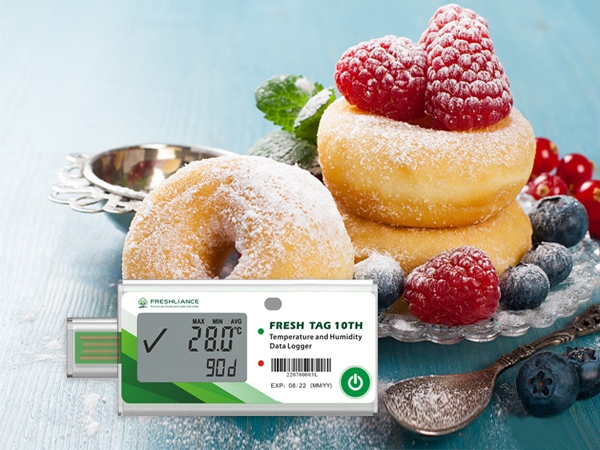
Air's capacity to carry water shifts a lot with temperature changes. Even small ups and downs force water out of the air. At Freshliance, we build tools like the Fresh Tag 10TH to spot these small changes accurately. With a temperature and humidity recorder, providers can spot small areas in a warehouse or ship where air does not move well. This helps avoid sudden water buildups that cause spoilage.
Direct Financial Impacts of Humidity Neglect
Frost Formation and Freezer Burn on Frozen Foods
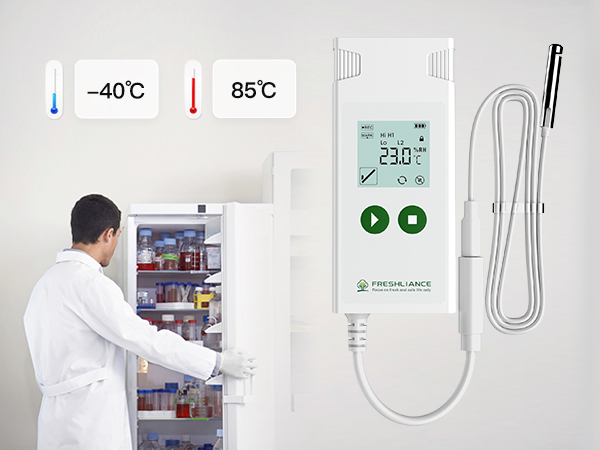
In handling frozen foods, extra humidity mainly causes frost buildup. Damp air slipping into a freezer turns straight to ice on the item's surface. This creates "freezer burn," which harms the flavor of high-end meats and fish. Our Atlas Log-TH Temperature and Humidity Data Logger with external probe uses a precise digital sensor for these checks. Companies can monitor conditions on long trips this way. So, "frozen" stays "intact" instead of "spoiled."
Moisture Damage and Mold Growth in Dry Goods
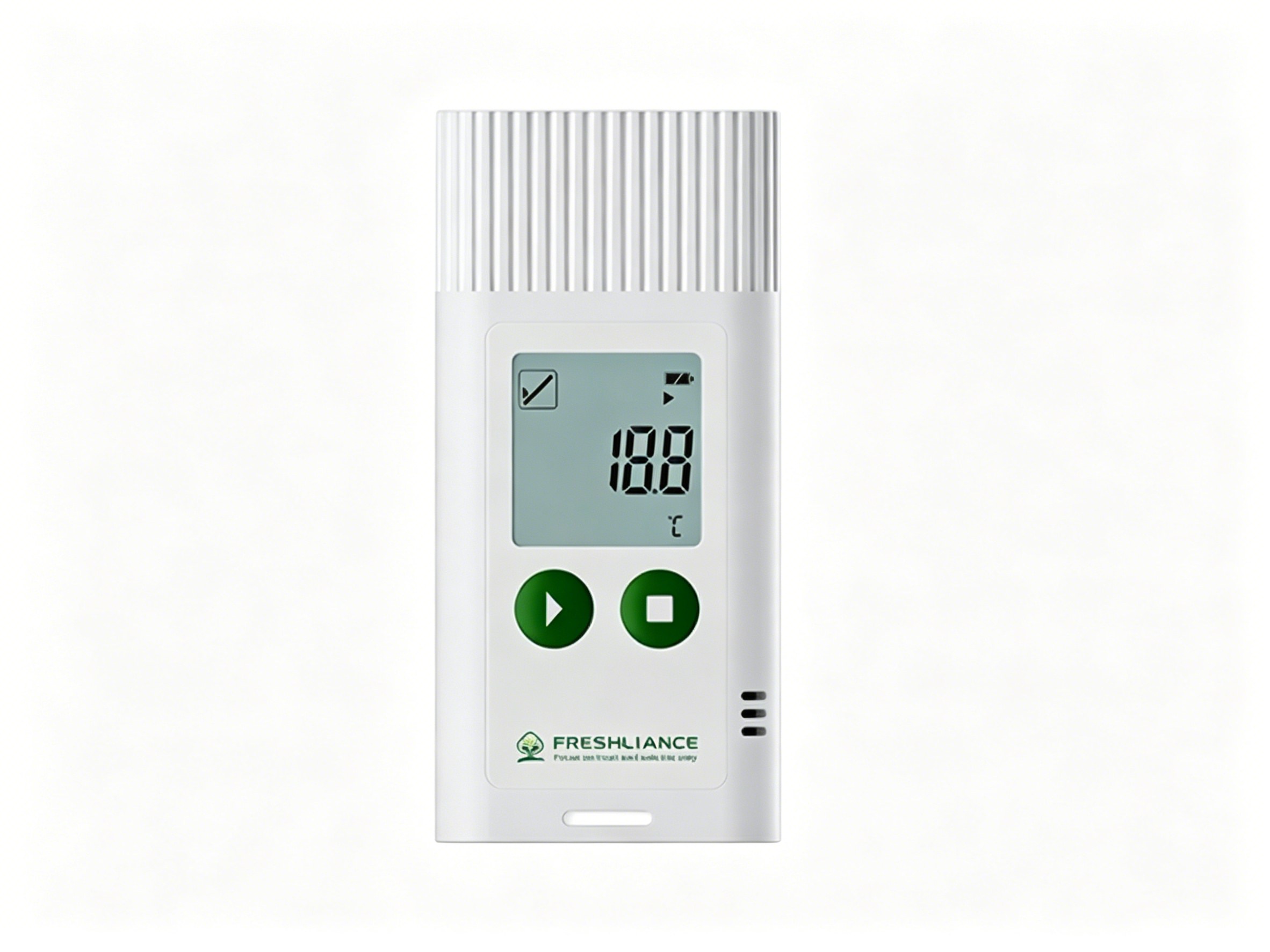
Dry items such as grains, spices, and flours face mold risks. These goods pull water from the air easily. A steady temperature does not stop it. High humidity can make flour lump up and grow mold in just a few days. We supply moisture damage prevention options with tools like the TagPlus-TH FDA Temperature Humidity Data Logger. Users set humidity warnings to spot issues early. This stops full cargo waste.
Defining Success with Optimal Humidity Ranges
High-Humidity Requirements for Produce and Dairy
Humidity is not always a foe. For some goods, it plays a key role. Certain cheeses, for example, need about 85% optimal humidity range to keep the outer layer from splitting and the inside from drying. Leafy greens also rely on high levels to remain fresh and firm. The Fresh Keeper-1 999 Days Temperature Humidity Data Logger suits long storage for these items. It records data for almost three years straight. This keeps the right balance in place.
Low-Humidity Standards for Dry Storage
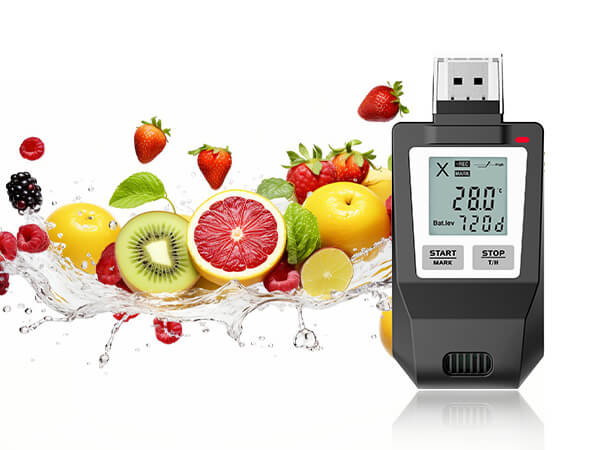
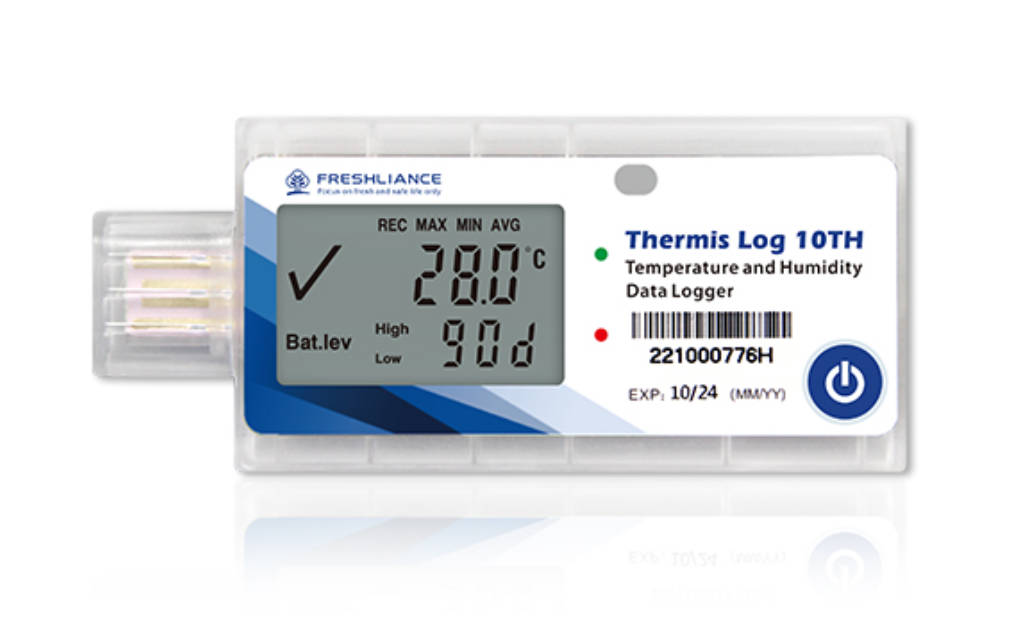
Other products demand drier settings. Wheat flour or powdered milk, works best at around 65% optimal humidity range or less. Above that, enzyme actions and bacteria multiply fast. Freshliance offers affordable monitoring with the Thermis Log 10TH USB Temperature Humidity Data Loggers. These create PDF reports on their own to show safe conditions held.
Leveraging Freshliance Integrated Monitoring Solutions
Comprehensive Environmental Monitoring Beyond Heat
At Freshliance, "environmental monitoring" covers a wide scope. It goes past just cool and dry air. It brings clear views of conditions.Our IoT temperature humidity data logger track more than temperature and humidity.
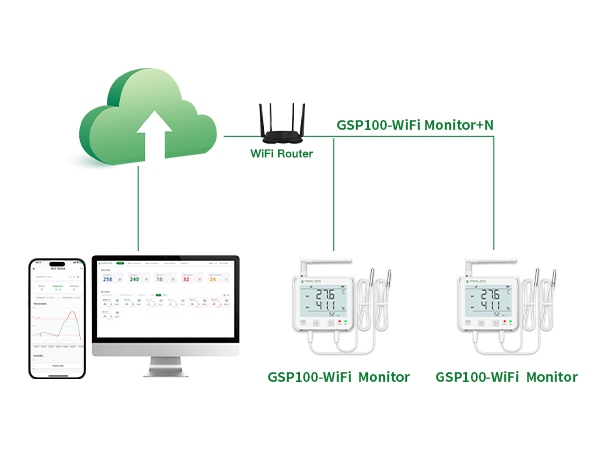
For example, the GSP100-WiFi/4G Real-time Data Logger also checks illumination, CO2, and ethylene levels. This full picture shows how the surroundings impact product breathing and maturing. It leads to better choices in the supply chain.
The Efficiency of Temperature and Humidity Data Loggers
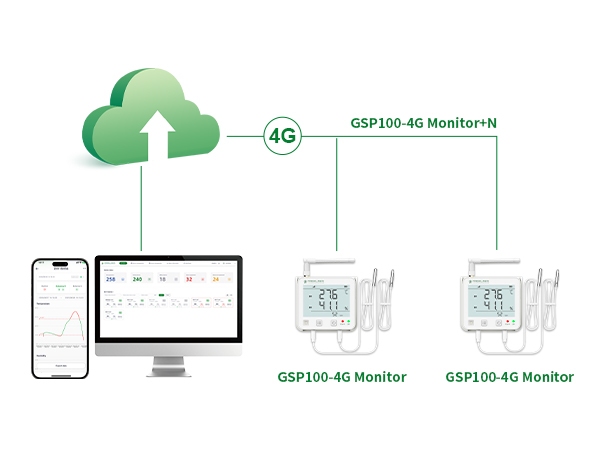
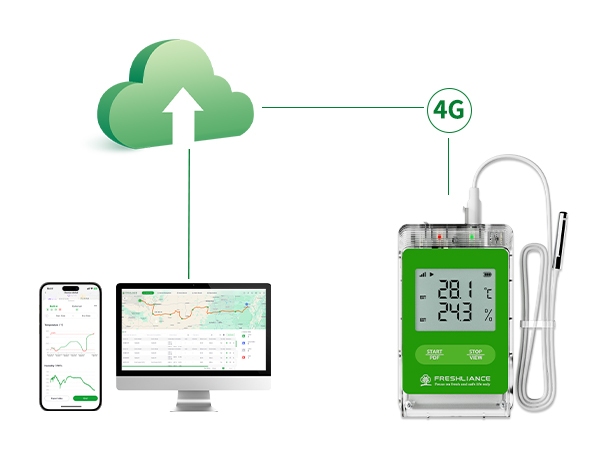
Our products match every part of the food path. For one-way trips, the Fresh Tag 10TH works simply with up to 120 days of logs. Those wanting live updates pick the Fresh Tracker 10. It links via 4G to follow temperature, humidity, geolocation, and even jolts at once. Every tool connects to our cloud system. There, data turns into useful steps that cut trash and power use.
Conclusion
The "hidden costs" from skipping humidity—from unsellable frozen items to moldy dry loads—can hit a food company's finances hard. Temperature checks form the base. But humidity recording builds the full plan for safety. Freshliance supplies the hardware, software and solutions to make cold chains open and steady. Picking a proper temperature and humidity recorder means more than getting gear. It invests in your food's quality and the world's food network's lasting health.
Contact Freshliance now to explore our full set of temperature and humidity recorder options. Protect your food logistics from unseen water threats.
FAQ
Q: Why is a temperature and humidity recorder better than a standard thermometer?
A: A basic thermometer gives just a quick look at heat now. In contrast, a Freshliance temperature and humidity data logger, such as the TagPlus-TH, tracks changes over time. Most importantly, it grabs humidity info. This spot's dew point dangers and stops mold or frost. A thermometer misses those entirely.
Q: What is the ideal humidity for a cold chain warehouse?
A: No one "ideal" fits all. It varies by item. Fresh produce often needs 85-95% humidity to avoid drooping. Dry goods like flour must stay near 65% to prevent sticking and mold. Freshliance temperature and humidity monitoring tools let you set custom warning limits for various loads. This keeps the optimal humidity range in check.
Q: Can high humidity affect food packaging even if the food remains safe?
A: Yes, for sure. Extra humidity weakens cardboard boxes. Stacks can fall, harming the food within. It also lifts labels or grows mold, making items hard to sell. A Freshliance temperature and humidity recorder helps keep packaging strong throughout the whole trip.
Previous: Cold Holding and Data Loggers: Preventing Medication Errors
Next: Predictive Temperature Monitoring for Smarter Facility Management