How to Choose an Extreme Temperature Data Logger for Process Validation
Not all temperature data loggers are designed for demanding thermal processes. Standard cold-chain data loggers may not withstand the high temperatures, pressure, steam, or immersion conditions found in applications such as autoclaves and thermal processing equipment. An extreme temperature data logger records temperature throughout the thermal cycle, capturing the heat-up phase, holding period, peak temperature, and cool-down phase.
Why an Extreme Temperature Data Logger Matters for Process Validation
Continuous Data Shows the Complete Process
A single reading only gives a snapshot. In contrast, continuous monitoring shows how fast a system heats up. It tracks if the target heat stays steady or if a sudden dip occurs. This data helps staff compare different cycles. It also makes it easier to find the cause of errors without guessing. The logger provides time-stamped temperature records that can support process validation and documented quality review.
Harsh Conditions Require Purpose-Built Hardware
High heat is just one obstacle. Steam, high pressure, and deep immersion also test the equipment. A rugged temperature data logger should provide a mechanically robust enclosure and appropriate ingress protection for the intended operating environment. Its battery and sensors must handle the actual work environment. It is not enough to just look at a spec sheet. The logger should be rated for the actual temperature, pressure, immersion, and chemical exposure conditions of the monitored process.
Parameters That Shape Reliable Process Validation Records
Temperature Range, Accuracy, and Logging Interval
The Iron Tag series offers different temperature ranges and configurations, with selected models covering temperatures from approximately -90°C to +150°C. Temperature accuracy varies by model and operating range, so the applicable specification should be checked for the selected logger. The logging interval can be configured from 1 minute to 24 hours, depending on the model. The logging interval should be selected based on the expected rate of temperature change, sensor response characteristics, process duration, required temporal resolution, and available memory.
Sensor Placement and Thermal Response
Sensor location can significantly affect the measured temperature and the interpretation of the thermal profile. A small device fits easily inside an autoclave. An immersible version can stay inside a liquid tank. Some models use a rigid external probe to measure a defined or hard-to-reach location while the logger body remains positioned separately. A shorter sensor response time can be beneficial for processes involving rapid temperature changes, provided that the sensor characteristics are appropriate for the application.
Memory Reports, Alarms and Start Delay
Iron Tag 1, Iron Tag 100, and Iron Tag 200 support up to 35,000 measurement sets for PDF reports and up to 20,000 sets for CSV or PDF&CSV formats, depending on the selected configuration. These units allow a start delay of up to 24 hours. They also feature dual alarm points and quick temporary reports.
Matching Freshliance Iron Tag Models to the Process
Iron Tag 1 for Autoclaves and Sterilization
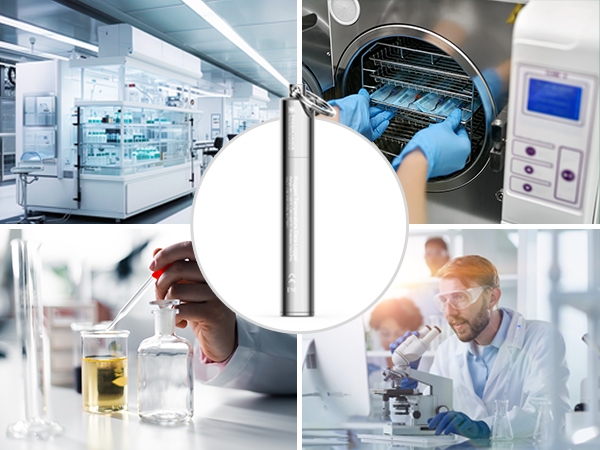
The Freshliance Iron Tag 1 Rugged Temperature Data Logger operates from -40°C to +125°C, with an accuracy of ±0.3°C from -40°C to +100°C and ±0.5°C outside that range. With its IP68 rating and slim 18 mm body, it fits in tight spaces. It uses a USB port and a replaceable battery. This makes it suitable for space-constrained autoclave temperature monitoring applications.
Iron Tag 100 for Direct Liquid Immersion
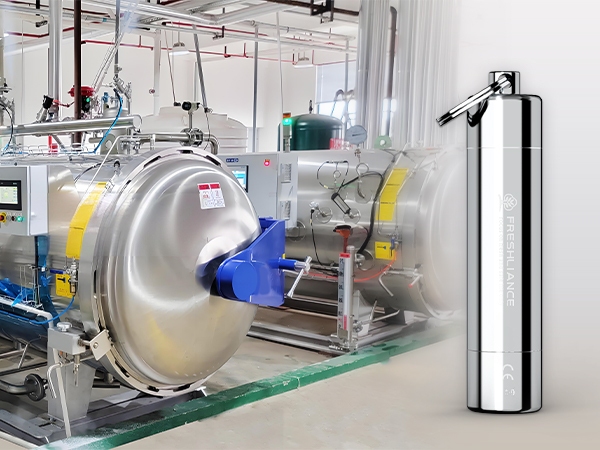
The Freshliance Iron Tag 100 immersible temperature data logger is built for liquids. It can go directly into water, silicone oil, ethyl alcohol, and similar media. It offers ranges like -90°C to +60°C or -50°C to +150°C. The device includes a real-time clock and a USB Type-C port. These features help create reliable records for liquid-based industrial tasks.
Iron Tag 200 for Probe Placement and Temperature Mapping
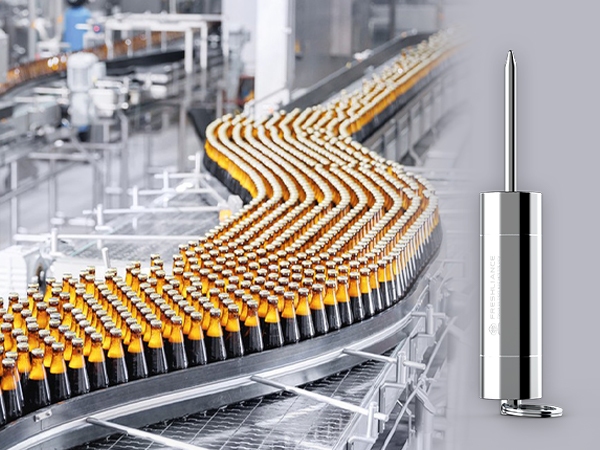
Iron Tag 200 Rugged Temperature Data Logger features a sharp, rigid probe. The rigid external probe supports faster sensor response and repeatable measurement at defined locations. Its rigid probe configuration, stainless-steel enclosure, and IP68 protection make it suitable for temperature-mapping applications in harsh environments, subject to the specified operating conditions.
Iron Tag 300 for Temperature and Pressure Monitoring
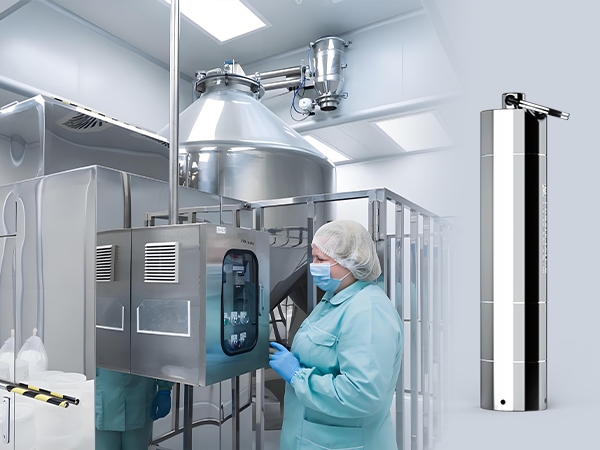
The Freshliance Iron Tag 300 temperature and pressure data logger tracks two things at once. It measures heat from -50°C to +150°C and pressure up to 3.5 MPa. The USB temperature and pressure data logger is configurable and can automatically generate data in graphical and tabular formats.
Building a Repeatable Monitoring Plan
Define the Process Before Selecting the Logger
First, look at your heat range, time, and pressure needs. Choose a model that handles these specs with a little room to spare. Sometimes, the probe shape or the way it handles water is more important than the max temperature. Matching the logger configuration to the process improves measurement suitability and repeatability.
Place Sensors at Representative Points
Temperature distribution may vary spatially within a chamber, vessel, or product load. Put sensors in spots that truly test the process. Write down these locations so you can use them again. Iron Tag 200 is great for hitting specific spots. For liquid processes, an immersible logger can be positioned at a defined measurement location within the vessel. The location should be selected according to the process profile and validation protocol to ensure that the measurement is representative of the batch.
Configure, Review and Retain the Record
Configure the logging interval, start delay, alarm thresholds, and other recording parameters before initiating the monitoring cycle. After the run, review the temperature profile for excursions, deviations, unexpected peaks, and periods outside the predefined process limits. Save the PDF or CSV files as part of your official records. Using predefined logging parameters and repeatable sensor locations improves comparability between qualification or validation runs.
Conclusion
An extreme-temperature data logger provides a continuous, time-stamped record of temperature conditions throughout a thermal process. Successful validation depends on picking the right tool for the job. You must consider accuracy, placement, and the environment. Freshliance Iron Tag models offer solutions for autoclaves, liquid tanks, and pressure systems. They provide the specific features needed for professional industrial monitoring.
Explore Freshliance rugged temperature data loggers to identify a configuration suited to your process temperature, immersion, probe, and pressure-monitoring requirements.
FAQ
Q: What is an extreme temperature data logger?
A: An extreme-temperature data logger is a device designed to record temperature across a wider or more demanding operating range than standard environmental or cold-chain loggers. Some models are additionally designed for immersion or pressure-related applications.
Q: Which data logger is suitable for autoclave process validation?
A: Iron Tag 1 Rugged Temperature Data Logger is ideal for autoclaves up to +125°C. It is waterproof and fits in small spaces. If you also need to track pressure, Iron Tag 300 is the better choice.
Q: Can a temperature data logger be immersed in water or oil?
A: Yes, certain models like the Iron Tag 100 are made for this. They can stay submerged in water or silicone oil at high temperatures. Always check the liquid type before use.
Previous: Real-Time IoT Temperature Logger for Cold Chain Logistics
Next: Blood Cold Chain Monitoring: Choose the Right Data Logger