Which Freshliance Temperature Data Logger Fits Your Cold Chain
Selecting the right temperature data logger depends on the specific cold chain application, required temperature range, monitoring duration, data capacity, and data retrieval method. Single-use loggers are ideal for tracking individual shipments. When moisture levels are a concern, temperature and humidity loggers provide the necessary insight. For ongoing storage or internal movement, multi-use loggers are the most efficient choice. Freshliance provides a diverse range of logger options. This variety allows logistics teams to balance monitoring precision, reporting styles, and device retrieval needs without making daily tasks too difficult.
Why Different Cold Chain Stages Need Different Logger Types
Shipment Records Are Not the Same as Storage Records
Cold chain monitoring may appear to be a simple task at first sight. The general procedure consists of setting up the logger on the package, logging the environmental parameters while shipping the cargo, and then analyzing these parameters after delivery. Nonetheless, there are peculiarities of each of these stages of shipping that make the task quite complicated.
Data Review Shapes the Device Choice
Freshliance USB loggers create PDF or CSV files automatically once plugged into a computer. This feature makes documenting shipments very easy. Temporary reports are also helpful. They let workers check the status during a journey or right before the final delivery. Additionally, clear LCD screens and LED lights help warehouse staff spot issues at a glance.
Single-Use Loggers for Shipping
When Fresh Tag 10T Fits Temperature-Only Shipments
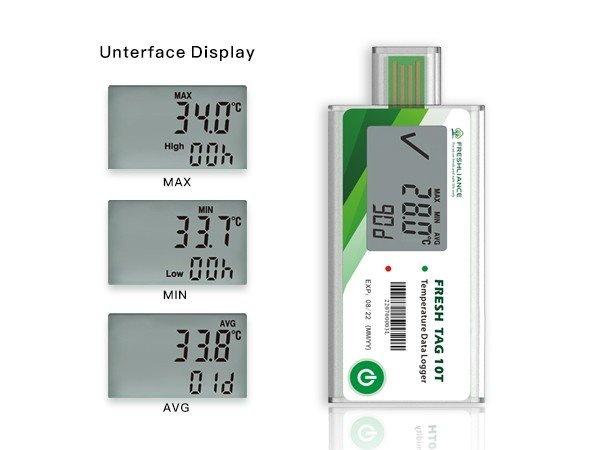
The Fresh Tag 10T Configurable Single Use Temperature Data Logger is a versatile, single-use temperature data logger built to track sensitive goods during transit and storage. It can hold up to 65,000 data points and operate for as long as 120 days. It features an LCD screen with LED alerts, allows for six alarm thresholds, and supports nine event marks. After the monitoring period, the logger can generate PDF and/or CSV reports when connected to a compatible computer.
This logger is well suited to shipments where temperature excursions are the primary concern rather than humidity exposure. It is suitable for refrigerated containers, refrigerated trucks, insulated shipping systems, pharmaceutical refrigerators, and laboratory freezers. Since it is designed for a single use, it is highly practical for shipments where you do not expect to get the device back from the receiver.
How Single-Use Reports Support Receiving Teams
For teams at the receiving dock, automated reports simplify temperature record-keeping and reduce the need for manual data transcription. Staff can quickly review alarm events, event marks, and the recorded temperature profile by connecting the logger to a computer.
Temperature and Humidity Monitoring for Sensitive Routes
When Fresh Tag 10TH Adds Value
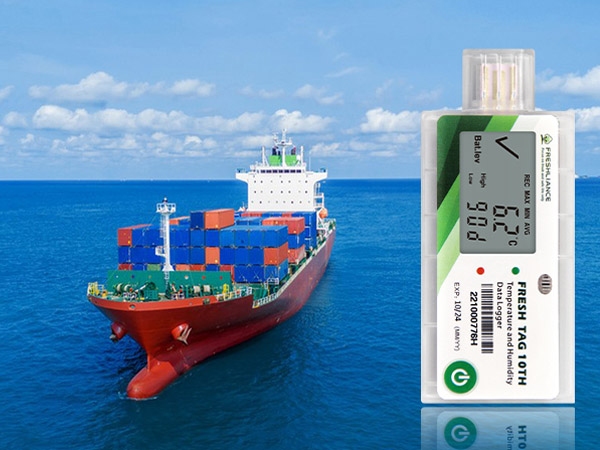
Certain goods require more than temperature monitoring alone. The Fresh Tag 10TH Temperature and Humidity Data Logger is a single-use temperature and humidity data logger created for comprehensive cold chain oversight. It manages 65,000 readings and works for up to 120 days. It includes an LCD, LED indicators, six configurable alarm thresholds, and support for up to nine event marks. It also generates secure PDF/CSV files and temporary reports.
The Fresh Tag 10TH Temperature and Humidity Data Logger tracks temperatures between -30°C and +70°C. It also monitors humidity from 0% to 100%RH. The accuracy for temperature is ±0.5°C, while humidity accuracy stays within ±3%RH(±3%RH(25℃, 20%~80%RH); ±5%RH(Others))under standard conditions. These specifications are particularly relevant for moisture-sensitive products where excessive relative humidity or condensation may affect product quality, packaging integrity, or storage stability.
Where Humidity Changes Matter Most
Tracking moisture is critical for chilled food logistics, fresh fruit exports, and pharmaceutical deliveries. It is also essential for biological samples and lab supplies. In these cases, a steady temperature graph might hide underlying problems. A temperature and humidity data logger gives quality control teams a complete picture of the environment while keeping the shipping process simple.
Multi-Use Loggers for Repeated Monitoring
Why TagPlus-TH Fits Recurring Workflows
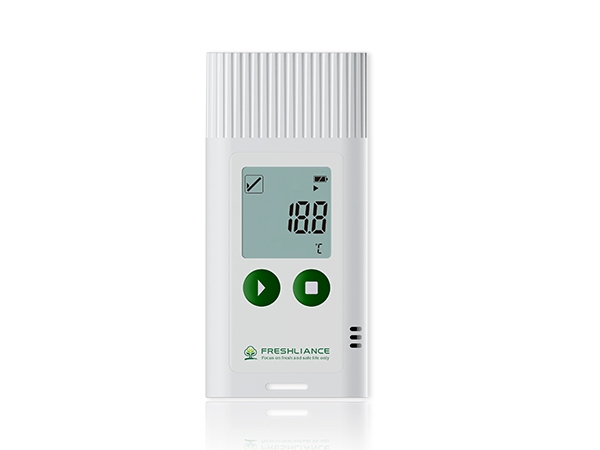
TagPlus-TH FDA Temperature Humidity Data Logger is a multi-use temperature and humidity data logger that features an LCD display and configurable monitoring settings. It monitors both temperature and relative humidity. It can produce PDF, CSV, or both types of reports simultaneously. A key advantage is the ability to view a temporary report while the device continues to record data.
The device operates across a wide temperature range of -30°C to +70°C (±0.5 F.S.), with specialized ranges available if needed. It handles humidity from 0-100%RH (±3%RH(25℃, 20%~80%RH)). Users can set up to six alarm points and mark nine specific events. It stores 35,000 total readings, providing sufficient memory for recurring warehouse, storage, and internal transport monitoring applications.
Practical Details for Facility Use
The TagPlus-TH FDA Temperature Humidity Data Logger is powered by a replaceable CR2032 lithium battery, providing up to 180 days of operating time. The product has a shelf life of up to 3 years when not activated. The device connects via USB and offers optional NFC features. It is compatible with Windows and macOS systems and has an IP65 rating for dust and water resistance.
How to Choose by Stage, Risk, and Report Needs
Match the Logger to the Cold Chain Stage
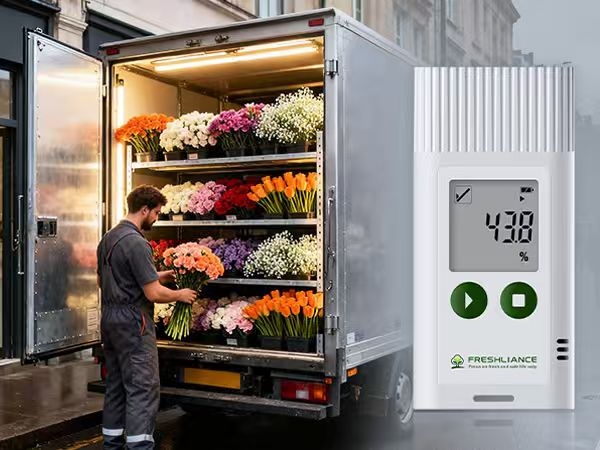
For standard one-way deliveries, a single-use device such as the Fresh Tag 10T Configurable Single Use Temperature Data Logger provides a simple and cost-effective solution for one-way shipments. If the cargo is sensitive to moisture, the Fresh Tag 10TH Temperature and Humidity Data Logger provides simultaneous temperature and relative humidity monitoring without requiring a separate humidity monitoring device. For tasks involving fixed storage or moving goods between company sites, the TagPlus-TH FDA Temperature Humidity Data Logger is a suitable reusable option. It is reusable, configurable, and suitable for recurring monitoring applications.
The decision also hinges on how you use the information. A PDF report is often sufficient for shipment documentation, record-keeping, and routine review. However, a CSV file is better if your team needs to study long-term trends or compare different routes.
Avoid Over-Specifying the Monitoring Method
Not every cold chain application requires real-time GPS tracking, and not every storage environment requires a single-use temperature logger. A smart plan for using a temperature data logger begins by looking at the product’s needs and the length of the trip. You must also consider how you will get the data and if the device can be reused. Freshliance products allow you to build a system based on the monitoring requirements and operational workflows of each application.
To see more options, you can browse the Freshliance product range.
Conclusion
Cold chain monitoring needs are not the same for each application. From disposable temperature data loggers for one-off cargo, to temperature and humidity data loggers for sensitive products, and reusable units for warehouses and internal use, there are many cold chain monitoring solutions from Freshliance. Explore Freshliance temperature data loggers today and find the right monitoring solution for your shipment, storage, or cold chain application.
FAQ
Q: Which type of temperature data logger is best for shipping?
A: For one-way shipments where temperature is the primary concern, a single-use logger such as the Fresh Tag 10T Configurable Single Use Temperature Data Logger is a practical option. If relative humidity also needs to be monitored, the Fresh Tag 10TH Temperature and Humidity Data Logger provides both temperature and humidity data.
Q: When should I choose a temperature and humidity data logger?
A: A temperature and humidity data logger is appropriate when relative humidity or condensation may affect product quality, packaging integrity, or storage conditions. This is relevant for fresh produce, selected pharmaceutical products, biological materials, and laboratory supplies that require controlled temperature and relative humidity conditions.
Q: Why are PDF and CSV reports both useful?
A: PDF files are great for quick reading and archiving because they are easy to view. CSV files are better for data analysis. They allow teams to put the numbers into spreadsheets to look for patterns over time.
Previous: Reusable Temperature Data Logger for Smarter Cold Chain Handover
Next: Cold Storage Temperature Monitoring: Reduce Spoilage Risk