High Temperature Data Logger for Harsh Industrial Processes
A high-temperature data logger can be used for high-temperature process monitoring applications such as sterilization validation, laboratory thermal testing, and industrial heat process verification. The right device must provide suitable protection against elevated temperature, moisture, chemical exposure, and immersion conditions. For pressure applications, a pressure-rated model may be required. For industrial teams, Freshliance Iron Tag loggers provide rugged stainless steel monitoring options for process review, validation work, and routine quality checks.
Why High Temperature Data Logger Selection Matters
Harsh processes need more than standard loggers
Cold chain temperature data loggers are designed for refrigerated storage, transportation, and ambient monitoring. They are generally not suitable for high-temperature processes requiring heat-resistant housings and protection against steam, pressure, or chemical exposure. The high-temperature data logger requires a housing, battery pack, sensing element, and sealing technology that would ensure continued logging of data under elevated temperature, high humidity, pressurized, or chemically aggressive process conditions.
This is important in food production plants, chemical factories, labs, sterilization chambers, and industrial validations. Logger failure during a critical monitoring cycle may require additional investigation or repeat testing.
Continuous records support process review
In industrial settings, it is sometimes necessary for teams to measure temperature in a cycle rather than just a final reading. This data can be useful for recording the heat-up phase, stabilization phase, maximum temperature exposure, and cooling profile. This allows industrial teams to check if different cycles are alike and to set correct parameters of the equipment.
What Makes a Rugged Logger Suitable for High Temperatures
Stainless steel housing and IP68 protection
Rugged temperature data logger design starts with the enclosure. Freshliance Iron Tag models feature stainless steel housings designed for rugged industrial environments. IP68 protection improves resistance to dust and water immersion environments. However, suitability for pressurized steam processes depends on the specific model design and operating conditions.
For high-temperature monitoring, corrosion resistance and sealing are as important as sensor accuracy. A stainless steel temperature logger can be placed closer to the process media than a plastic device, providing a measurement point closer to the actual process environment.
Replaceable battery and configurable recording
Iron Tag loggers use a 3.6V replaceable lithium battery, supporting repeated monitoring cycles instead of single-use operation. The startup delay can be configured from 0 minutes to 24 hours, so the device can be placed before the process begins and start recording at the right time. The logging interval can also be configured from 1 minute to 24 hours.
These settings help teams balance detail and storage capacity. A fast interval is useful for short sterilization cycles, while a longer interval may suit extended thermal stability checks.
Freshliance Iron Tag Options for Industrial Monitoring
Iron Tag 1 for autoclave and sterilization use
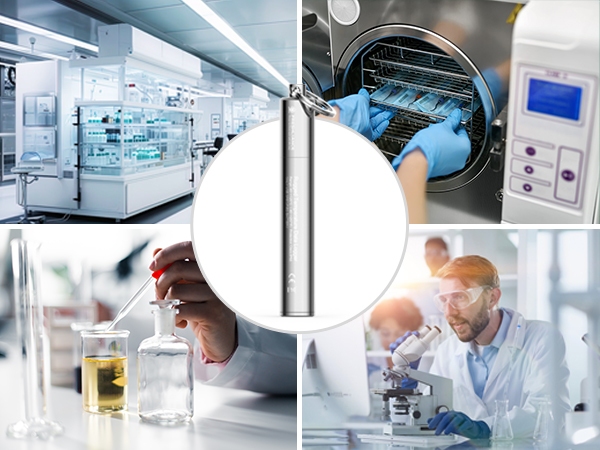
For autoclaves and compact high-temperature applications, Iron Tag 1 Rugged Temperature Data Logger supports a -40°C to +125°C range with ±0.5°C accuracy across the full range. It offers PDF capacity up to 35,000 sets and CSV or PDF&CSV capacity up to 20,000 sets, with two alarm points for high and low temperature limits.
The model uses USB, Windows operation, and a compact φ18mm x 118mm body. Its submersible design and stainless steel case make it suitable for sterilization monitoring and laboratory applications where installation space is limited.
Iron Tag 100 for immersion in water and oil
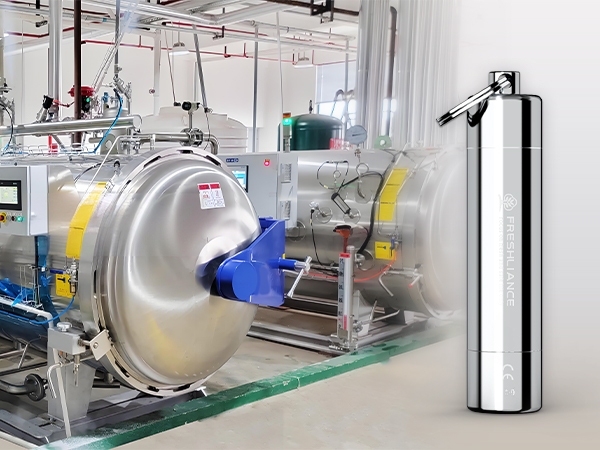
For liquid immersion, Iron Tag 100 Rugged Temperature Data Logger is designed to be immersed directly in water, silicone oil, ethyl alcohol, and similar media. Its temperature ranges include -90°C to +60°C and -50°C to +150°C, with ±0.5°C accuracy.
Iron Tag 100Rugged Temperature Data Logger uses USB Type-C for setup and data retrieval, and its built-in real-time clock records the precise time of each reading. This makes it useful when liquid process data needs to be reviewed against equipment timing or batch records.
Iron Tag 200 for rigid external probe applications
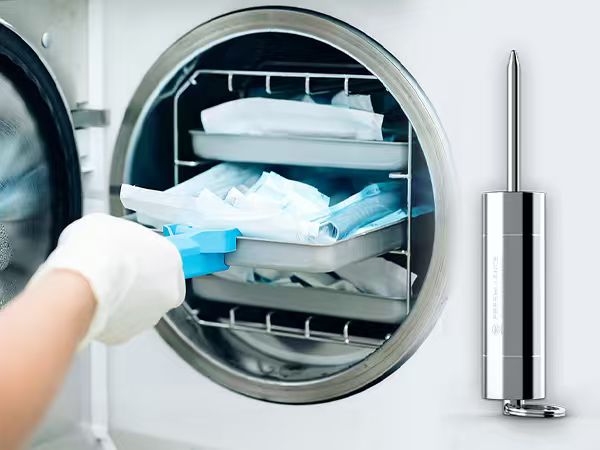
Iron Tag 200 Rugged Temperature Data Logger with Rigid External Probe is built for applications where a rigid external probe can improve measurement flexibility and access to challenging locations. Its ranges include -90°C to +60°C, -40°C to +125°C, and -50°C to +150°C, with ±0.5°C accuracy. Freshliance positions this model for faster response, temperature mapping, and rugged submersible use.
The rigid probe design can be valuable when the logger body should stay protected while the probe reaches a process location. It is also useful when teams need repeatable placement across multiple validation runs.
Iron Tag 300 for temperature and pressure records
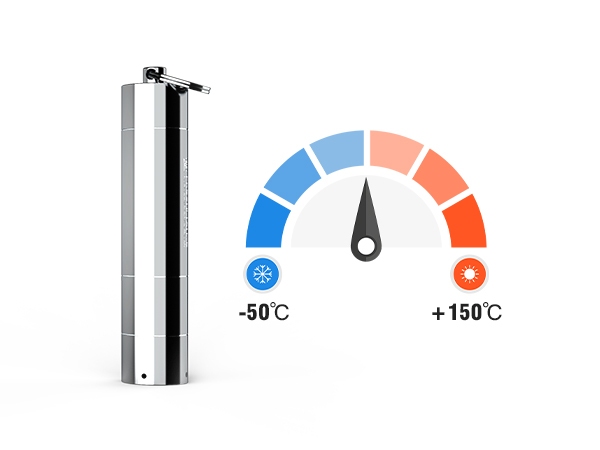
When pressure data is part of the process, Iron Tag 300 Rugged Temperature and Pressure Data Logger combines -50°C to +150°C temperature monitoring with a pressure range of 0–3.5 MPa and pressure accuracy ranges of ±0.25% F.S.
Parameters Buyers Should Compare
Temperature range and accuracy
The first selection step is matching the logger range to the process. Iron Tag 1 covers up to +125°C, while Iron Tag 100, Iron Tag 300 and Iron Tag 200 include options up to +150°C. Accuracy is also important because small deviations may affect process review and repeatability.
Memory capacity and PDF temperature report output
Memory capacity affects how much detail a logger can store before data is downloaded. Iron Tag 1, Iron Tag 100, and Iron Tag 200 support up to 35,000 sets for PDF format and up to 20,000 sets for CSV or PDF&CSV formats. A PDF temperature report is useful for quick review, while CSV data supports deeper analysis.
Alarm points and temporary reports
Iron Tag models include two alarm points for high and low temperature limits. Temporary report support allows users to read interim data without losing the full monitoring record. In production environments, that helps teams check progress while keeping the logger available for the rest of the run.
Application Scenarios
Steam sterilization and autoclaves
Autoclave temperature data logger selection should focus on heat tolerance, moisture resistance, and stable recording through the full cycle. Iron Tag 1Rugged Temperature Data Logger is suitable for autoclave use, while Iron Tag 300 Rugged Temperature and Pressure Data Logger adds pressure data for processes where pressure history matters alongside temperature.
Food processing and chemical plants
Food processing and chemical environments may involve hot liquids, washdown conditions, or media that are unsuitable for ordinary devices. Iron Tag 100 Rugged Temperature Data Logger is especially relevant when a logger must be directly immersed in water, silicone oil, ethyl alcohol, or similar process media.
Laboratories and industrial validation
Laboratories and industrial validation teams often need repeatable records from the same process under different settings. Freshliance rugged loggers support configurable intervals, startup delay, alarm points, and automatic report generation, helping teams compare cycles without rebuilding the monitoring workflow each time.
Conclusion
A high-temperature data logger converts thermal process conditions into documented temperature records that teams can review, compare, and retain. Freshliance Iron Tag loggers support high-temperature sterilization, immersion, rigid probe placement, and temperature-plus-pressure monitoring with rugged stainless steel housings, IP68 protection, configurable recording, and automatic PDF/CSV reports.
Explore Freshliance rugged temperature data logger options to establish traceable temperature monitoring records for sterilization, laboratories, food processing, and industrial validation.
FAQ
Q: What is a high temperature data logger used for?
A: A high temperature data logger records temperature in environments that are too harsh for standard cold chain temperature data loggers. Typical uses include autoclaves, steam sterilization, hot water or oil immersion, food processing, chemical processing, laboratories, and industrial validation where continuous temperature records are needed.
Q: Can a rugged temperature data logger be immersed in liquid?
A: Some rugged models are designed for immersion. Iron Tag 100 Rugged Temperature Data Logger can be immersed directly in water, silicone oil, ethyl alcohol, and similar media. For any immersion process, teams should match the exact temperature range, media exposure, sealing needs, and data output requirements before deployment.
Q: Why are PDF and CSV reports useful for industrial monitoring?
A: PDF reports provide a readable process record with graphs and summary information, while CSV files allow deeper analysis in spreadsheets or quality systems. Together, they help teams review thermal cycles, compare repeated runs, investigate deviations, and keep process data organized for internal quality records.
Previous: Facility Temp & Humidity Monitoring: IoT Data Loggers with API
Next: 999-Day Temperature Humidity Data Logger for Storage